
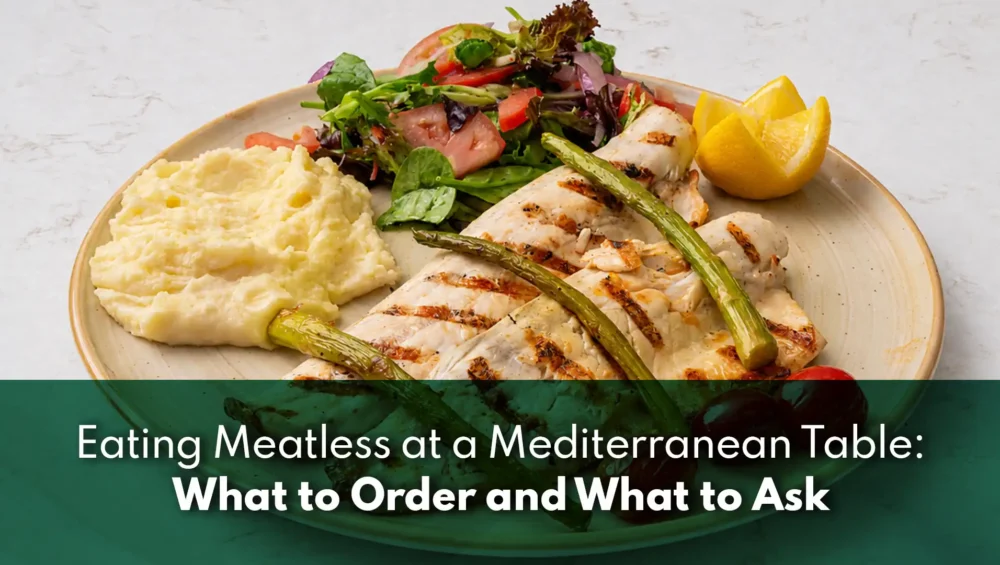
Vegetarians get used to a certain kind of menu scan. Skip the first two pages, find the one pasta dish, order it, move on. Mediterranean menus break that habit fast, because vegetarian mediterranean restaurant options are not a concession here, they are half the tradition.
Long before anybody used the phrase plant based, cooks in this region were building entire meals out of vegetables, beans, grains and olive oil. Meat was expensive. Vegetables were not.
Vegetarian Mediterranean Restaurant Options Start With Olive Oil
On many Turkish menus there is a category most visitors walk right past. Anything labeled zeytinyagli means cooked in olive oil and served cool or at room temperature.
These olive oil dishes were designed to be eaten without meat, without dairy and without apology. Braised green beans, artichoke hearts with peas and carrots, stuffed grape leaves, leeks in lemon, white beans with tomato. Simple, slow cooked, deeply savory.
Most olive oil dishes are naturally vegan, which makes that one menu section the safest place to start.
Is Hummus Vegan, and Other Common Questions
The question comes up constantly, so, is hummus vegan? Yes in its classic form, since it is chickpeas, tahini, lemon, garlic and olive oil. The complication is the topping.
Some kitchens finish hummus with melted butter and pine nuts, or serve a warm version with lamb on top. So is hummus vegan at every restaurant, no, and asking about the finish takes two seconds. Same for baba ganoush, which is usually vegan but sometimes gets a spoon of yogurt stirred through.
Where Dairy Hides
Yogurt is the sneaky one. It goes into dips, sauces poured over vegetable dishes, marinades and dressings. A dairy free mediterranean meal is completely doable, but it needs one clear question at the start rather than three corrections later.
Ask which dips are yogurt based. Ask whether the rice is cooked in butter or oil. Those two questions handle most of the risk on a dairy free mediterranean order.
What Vegan Turkish Food Actually Looks Like
People assume vegan turkish food means salad and hummus. It really does not.
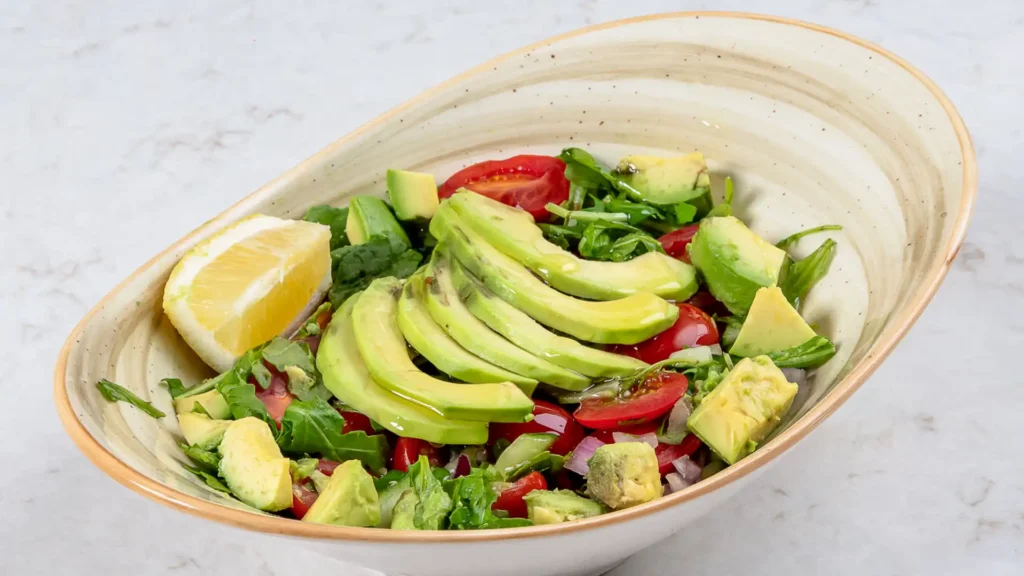
Lentil soup, mercimek, is a staple that most kitchens make without any animal stock. Falafel is everywhere now. Bulgur pilaf with tomato and pepper, stuffed peppers filled with rice and currants and pine nuts, spicy ezme relish, fried eggplant with garlic tomato sauce, flatbread straight from the oven. That is a full dinner without a single substitution.
Vegan turkish food leans heavily on legumes and grains for satisfaction rather than fake meat, which is why it rarely feels like a compromise version of something else.
Getting Enough Protein
The most common complaint about meatless dining out is walking away hungry an hour later. That usually means the plate was all vegetables and no legumes.
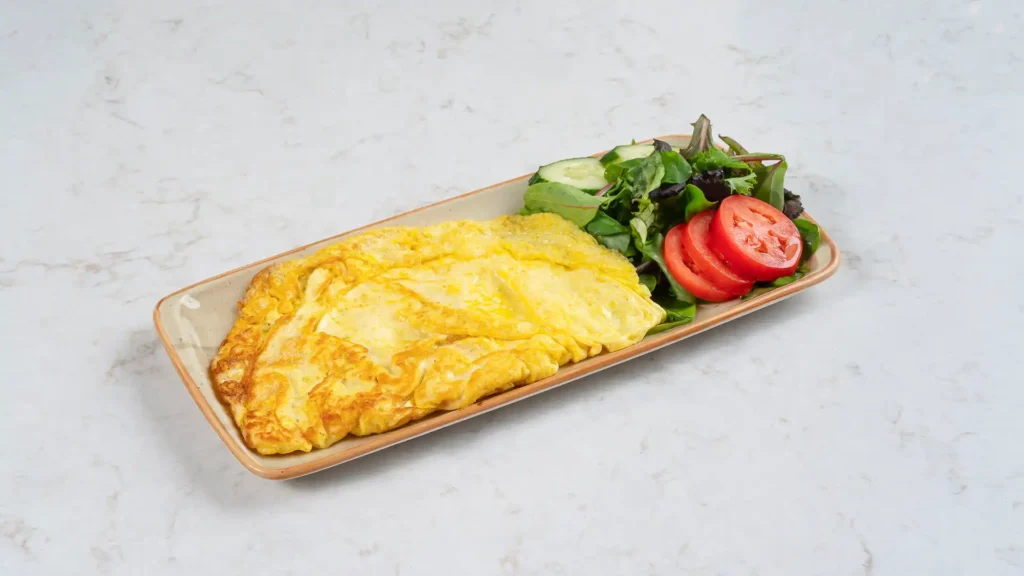
Reliable vegetarian protein options on this kind of menu include chickpeas in every form, lentils in soup and salad, white beans, falafel, and for vegetarians who eat dairy, feta style cheese and thick yogurt. Bulgur and tahini both add more protein than people expect.
- Build the plate around one legume dish, one grain, one vegetable, then add dips.
- Add tahini somewhere, since it brings fat and protein and makes everything taste finished.
Anyone tracking macros will find vegetarian protein options here easier to manage than at most restaurants, because the beans are already the point of the dish.
Plant Based Dishes Worth Ordering First
If you only try three plant based mediterranean dishes on a first visit, make them a warm lentil soup, a plate of stuffed grape leaves, and smoky eggplant with tomato.
That trio covers warm, cool, soft and smoky in one order, and it costs less than a single meat main. Plant based mediterranean dishes tend to be priced gently, which is a nice side effect of them being peasant food originally.
Interest is growing in this direction generally. Industry data heading into 2026 shows consumers moving toward vegetable forward menus and less processed food, with operators leaning on legumes, seasonal produce and traditional slow cooking rather than novelty substitutes.
Meatless Dinner Ideas for a Group
Group dinners are where this cuisine really shows off, because the sharing format means the vegetarian at the table is not eating a separate meal in a corner.
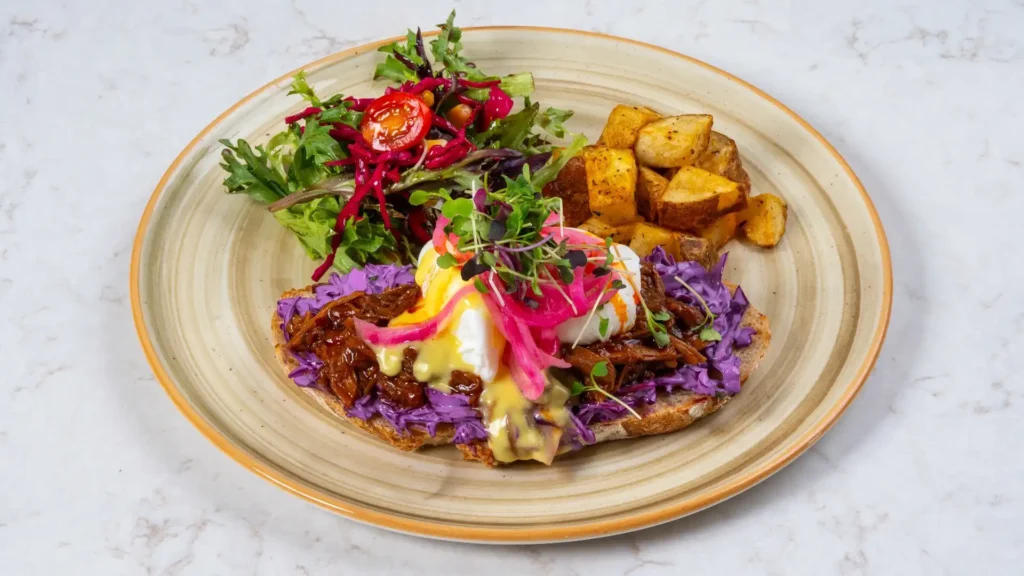
Some meatless dinner ideas that work for mixed tables: a spread of four cold mezze, a hot plate of fried cheese or falafel, a big rice or bulgur dish, and grilled vegetables. Everybody eats from the same table, and the person avoiding meat is not the one with a sad side salad.
For a strictly vegan group, the same meatless dinner ideas work with the cheese swapped out and the rice confirmed as oil cooked.
Questions Worth Asking Your Server
Servers at Mediterranean restaurants get these questions all day, so nobody will be annoyed. Ask whether the soup uses meat stock. Ask if the rice contains butter. Ask which dips are yogurt based. Ask whether the grill is shared, which matters for some vegetarians and not others.
Cross Contact and Shared Grills
Most kitchens cook vegetables on the same grill as meat. That is fine for many people and a dealbreaker for others, so it is worth a direct question rather than an assumption. Kitchens that get asked often, including places like Moda Cafe, usually have a clear answer ready.
The Honest Downside
Bread is everywhere, so gluten avoidance is harder than meat avoidance here. Desserts are also mostly butter based, though fruit and some syrup soaked options work.
And a very small number of vegetable dishes get a splash of stock for depth. Rare, but real, which is why the question matters more than the menu description.
Putting It Together
Skip straight to the olive oil section, add a legume, ask about yogurt and butter, and you will eat extremely well. The good vegetarian mediterranean restaurant options are not hidden in a special section at the back, they are scattered through the whole menu, mostly under names that never mention the word vegetarian.
That is the part people find surprising. A cuisine built on vegetables never needed to label them, and vegetarian mediterranean restaurant options exist here simply because that is how the food was always cooked.
Order like a local, ask two questions, and the table takes care of itself.